
What We offer
Individual Therapy
Individual therapy is a one-on-one counseling process where a licensed therapist helps clients explore their emotions, behaviors, and thought patterns in a safe and supportive environment. This form of therapy is tailored to address personal challenges such as anxiety, depression, trauma, grief, or major life transitions. Using evidence-based approaches like Cognitive Behavioral Therapy (CBT), Dialectical Behavior Therapy (DBT), or psychodynamic therapy, individuals work toward self-awareness, emotional regulation, and personal growth. The goal is to develop coping skills, improve relationships, and enhance overall well-being.


Couples Therapy
Couples therapy focuses on improving communication, resolving conflicts, and strengthening emotional bonds between partners. A trained therapist works with couples to identify unhealthy patterns, address trust issues, and navigate challenges such as infidelity, intimacy concerns, or major life changes. Techniques like Emotionally Focused Therapy (EFT) and the Gottman Method help couples develop deeper understanding, empathy, and problem-solving skills. Whether the goal is to rebuild a struggling relationship or enhance an already strong bond, couples therapy provides a structured space for growth and connection.
Play Therapy
Play therapy is a specialized form of therapy designed for children, allowing them to express thoughts and emotions through play rather than words. Using toys, games, art, and storytelling, therapists create a safe and engaging environment where children can process trauma, anxiety, behavioral issues, or family conflicts. This approach helps children develop emotional regulation, problem-solving abilities, and healthy ways to communicate. Play therapy is particularly effective for children experiencing grief, divorce, abuse, or developmental challenges, as it encourages healing through creative expression.


Addiction Counseling
Addiction counseling provides individuals struggling with substance use disorders the tools and support needed to achieve and maintain sobriety. Counselors help clients understand the underlying causes of their addiction, develop healthier coping mechanisms, and create relapse prevention plans. Techniques such as Motivational Interviewing (MI), Cognitive Behavioral Therapy (CBT), and Smart Recovery facilitation are commonly used to promote long-term recovery. Addiction counseling may also involve family support, dual diagnosis treatment for co-occurring mental health disorders, and connections to community resources such as support groups and rehabilitation programs.
Experiential Therapy
Experiential therapy is an active, hands-on approach to healing that encourages clients to engage in activities that help them process emotions, build self-awareness, and develop healthier coping strategies. Rather than relying solely on talk therapy, experiential therapy incorporates real-world experiences, creative expression, and physical movement to access deeper emotional insights. This approach is particularly effective for individuals struggling with trauma, addiction, anxiety, and depression, as it helps them confront underlying emotions in a safe and supportive environment. Activities may include role-playing, guided imagery, art, movement, or outdoor experiences, all designed to foster personal growth, resilience, and emotional release.

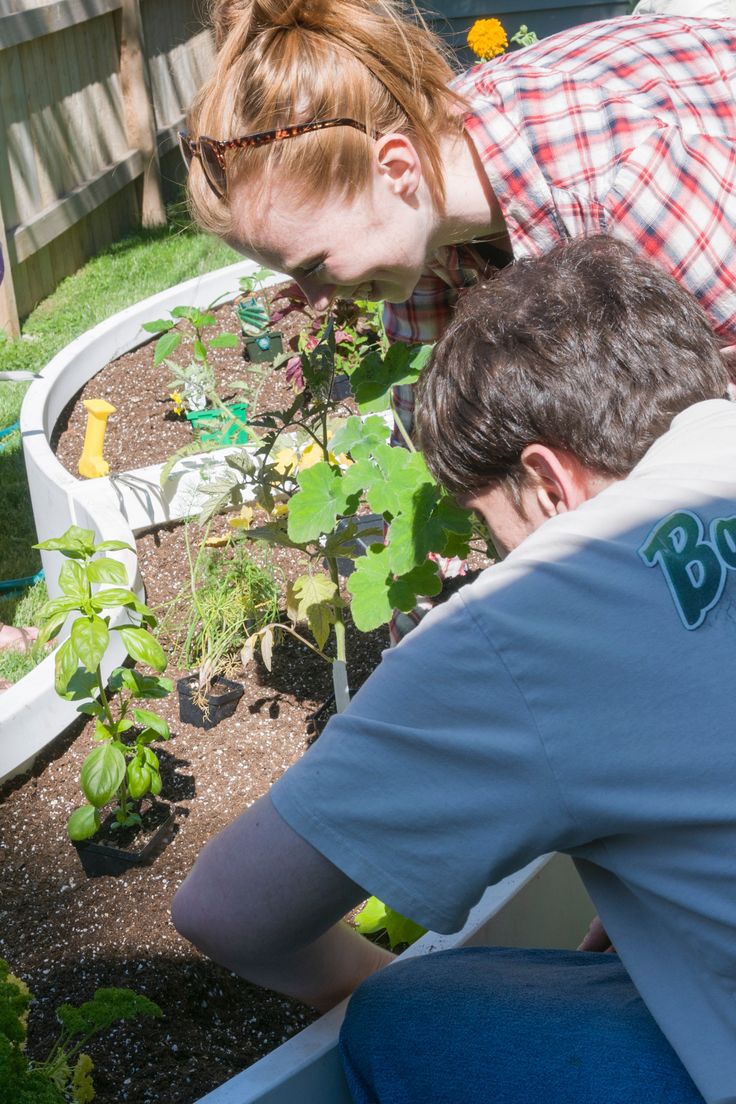
Plant & Horticulture Therapy
Horticulture therapy is a nature-based therapeutic approach that harnesses the healing power of plants to promote mental and emotional well-being. Engaging in activities such as gardening, plant care, and nature-based mindfulness exercises can help reduce stress, improve mood, and provide a sense of purpose. This form of therapy is particularly beneficial for those experiencing anxiety, depression, PTSD, and addiction recovery, as it fosters a connection to nature, encourages mindfulness, and supports personal growth. By nurturing plants, individuals also learn patience, responsibility, and self-care—essential skills that translate into everyday life. Whether tending to a garden or simply interacting with greenery, plant therapy offers a grounding and restorative experience that promotes healing from the inside out.